
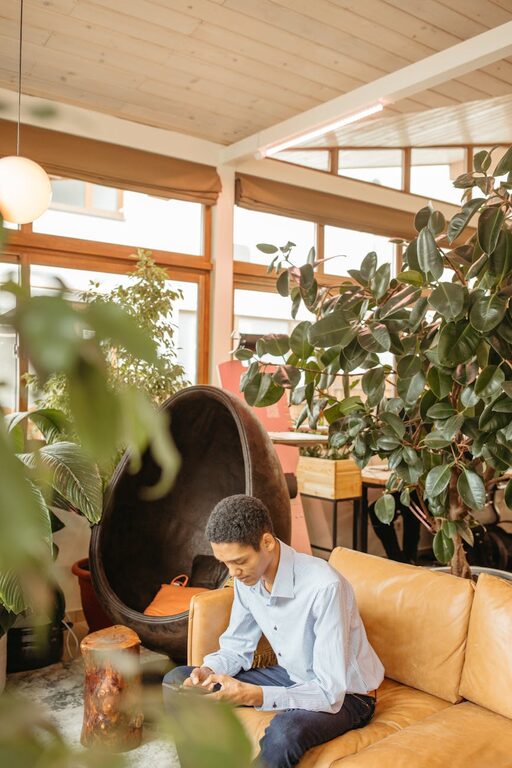
Creating a relaxing home office environment is essential for improving productivity and maintaining mental well-being, especially as many of us spend more time working remotely. A well-designed workspace can help reduce stress, increase focus, and make your daily tasks more enjoyable. Here are practical tips to help you create a home office that feels both comfortable and inspiring.
1. Choose the Right Location
Selecting the right spot for your home office is the first step toward a peaceful working environment.
– Quiet Area: Look for a space away from household noise and foot traffic.
– Natural Light: Position your desk near a window if possible to enjoy daylight, which can improve mood and reduce eye strain.
– Adequate Space: Ensure you have enough room to move around comfortably and store your work essentials.
2. Invest in Comfortable and Supportive Furniture
Comfort matters when you spend hours working at a desk.
– Ergonomic Chair: Choose a chair that supports your back and encourages good posture.
– Adjustable Desk: Consider a desk that can be raised or lowered to switch between sitting and standing.
– Proper Desk Size: Make sure your desk fits your equipment and leaves space for writing or planning.
3. Control Lighting to Reduce Eye Strain
Lighting affects focus and energy levels.
– Layered Lighting: Use a combination of ambient lighting, task lights, and natural light.
– Avoid Glare: Position screens and lights to prevent reflections and glare.
– Warm Lights: Soft, warm lighting can create a more relaxing atmosphere in the room.
4. Organize Your Space to Minimize Clutter
A tidy space helps clear your mind.
– Storage Solutions: Use shelves, drawers, or boxes to keep your desk organized.
– Minimalism: Keep only essential items on your desk to reduce distractions.
– Cable Management: Use clips or covers to organize cords and maintain a clean look.
5. Add Elements That Promote Calm and Focus
Personal touches can make your environment more inviting.
– Plants: Incorporate greenery to boost mood and air quality.
– Art or Décor: Display calming images or objects that inspire positivity.
– Essential Oils or Diffusers: Subtle scents like lavender or peppermint can enhance relaxation and concentration.
6. Set Boundaries Between Work and Personal Life
Maintaining clear boundaries improves mental well-being.
– Dedicated Workspace: Avoid working from places associated with rest, like the bed or couch.
– Defined Hours: Set specific work hours and communicate them to family or roommates.
– Break Areas: Designate a separate area for breaks to mentally separate work time from relaxation time.
7. Incorporate Technology Smartly
Make your tech setup support your work without adding stress.
– High-Speed Internet: Reliable connectivity is vital for efficiency.
– Noise-Cancelling Headphones: These can help block distractions in noisy environments.
– Blue Light Filters: Use screen filters or apps to reduce eye strain during long hours at the computer.
8. Keep Air Quality Fresh
Breathing clean air promotes alertness and health.
– Ventilation: Open windows when possible to circulate fresh air.
– Air Purifiers: Consider using an air purifier to reduce dust and allergens.
– Humidity Control: Use a humidifier or dehumidifier to maintain comfortable moisture levels.
9. Personalize Your Space for Motivation
Your workspace should reflect your preferences and inspire you.
– Colors: Choose colors that make you feel calm or energized; soft blues or greens are often relaxing.
– Inspirational Quotes: Display positive messages to keep your spirits up.
– Comfort Items: Add cushions, throws, or a footrest for extra comfort.
10. Establish Daily Rituals to Enhance Productivity
Routine can help your mind shift into work mode.
– Morning Routine: Start with a calming activity before work, such as stretching or meditation.
– Organize Tasks: Use planners or apps to map out your day and prioritize your to-do list.
– Regular Breaks: Take short breaks every hour to recharge and prevent burnout.
Final Thoughts
Creating a relaxing home office environment involves more than just aesthetics; it’s about designing a space that supports your productivity and overall well-being. By carefully choosing your location, furniture, lighting, and incorporating calming elements, you can transform your workspace into a place where you enjoy spending time. Remember, small changes can make a big difference in how you feel and perform throughout your workday. Take the time to experiment and adjust your space until it feels just right for you.